


Reactive Dog Training: Why More Socialisation Is Not Always The Answer
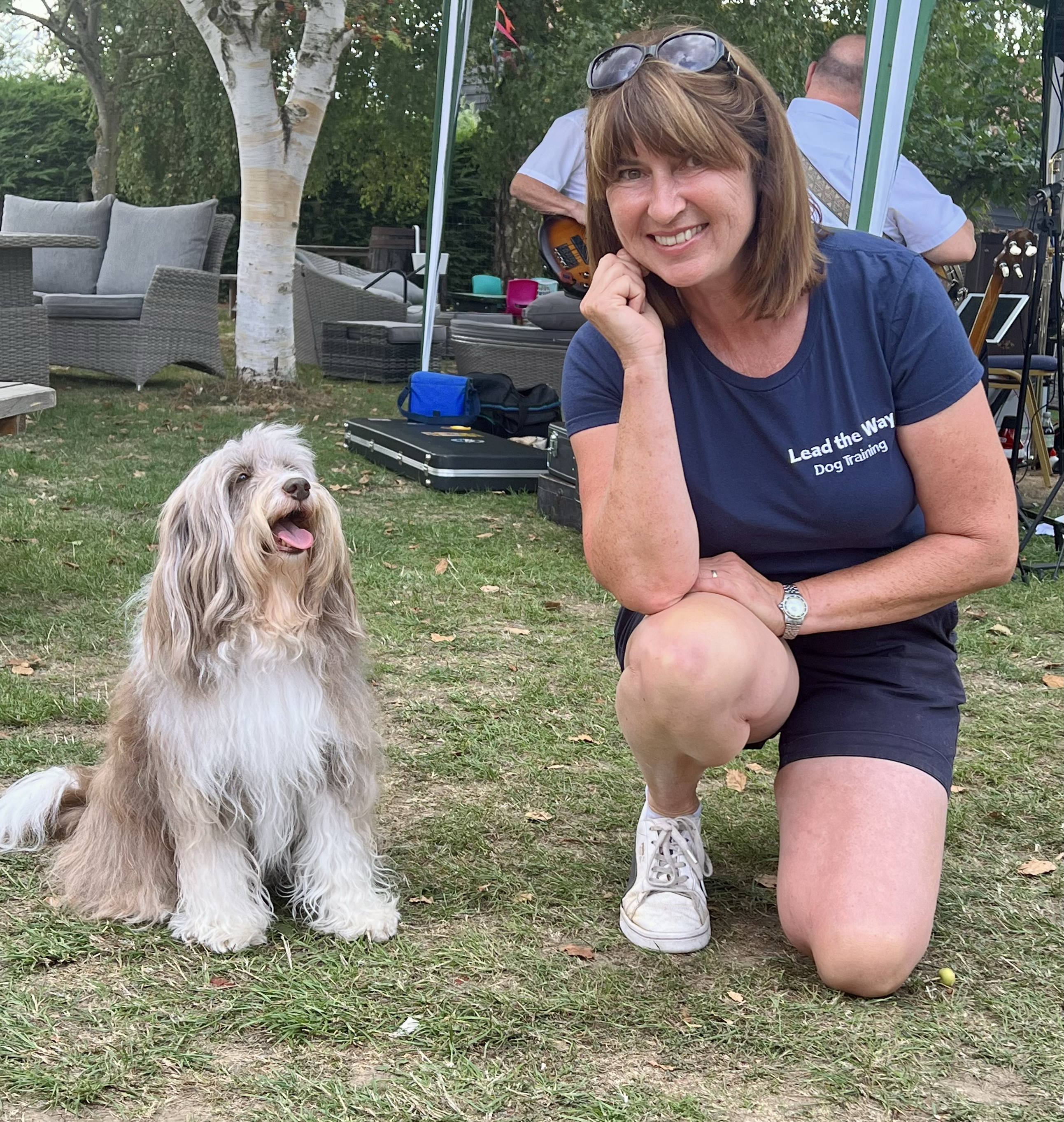
If your dog barks, lunges, growls or becomes highly excited around other dogs, you may have been told they simply need more socialisation.
As a dog trainer and behaviour specialist working with reactive dogs across Suffolk and Essex, this is one of the most common misconceptions I encounter.
In reality, forcing a reactive dog into more social situations can sometimes make the problem worse.
Understanding why your dog is reacting is the first step towards helping them feel calmer, safer and more confident.

What Is A Reactive Dog?
A reactive dog is a dog that has a strong emotional response to a particular trigger.
Common triggers include:
Other dogs
People
Cyclists
Runners
Traffic
New environments
Reactive behaviour may include:
Barking
Lunging
Growling
Pulling on the lead
Spinning
Excessive excitement
Inability to focus
Many owners worry that their dog is aggressive.
In reality, most reactive dogs are struggling with fear, frustration, anxiety, over-arousal or uncertainty.
My Dog Is Reactive To Other Dogs
One of the most common enquiries I receive is:
"My dog is reactive to other dogs on walks. What should I do?"
Many owners assume their dog needs to meet more dogs.
However, true socialisation is not about meeting every dog you see.
It is about learning to remain calm in the presence of other dogs.
A dog that can walk past another dog calmly without barking, lunging or pulling is demonstrating excellent social skills.
A dog does not need to play with every dog they encounter to be considered well socialised.
Teaching Calmness Around Other Dogs
One of the most important goals in reactive dog training is helping dogs learn that they do not need to react to every dog they see.
This includes teaching:
Calm observation
Focus on the owner
Emotional regulation
Appropriate distance from triggers
Relaxation around other dogs
Many dogs do not naturally develop these skills, particularly during adolescence when hormones and excitement levels are high.
The good news is that these skills can be taught.
Not Every Dog Wants To Be Social
This is something many owners find difficult to accept.
Just like people, dogs have individual preferences.
Some dogs enjoy interacting with lots of other dogs.
Others are happier simply sharing space without direct contact.
Part of successful reactive dog training is helping owners understand and respect their dog's social needs rather than forcing interactions that create stress.
Reactive Dog Training In Suffolk & Essex
At Lead the Way Dog Training and Behaviour Management, I work with reactive dogs throughout Suffolk, Essex and Cambridgeshire.
Whether your dog:
Barks at other dogs
Lunges on the lead
Struggles around people
Becomes over-excited in public places
Finds social situations overwhelming
I can help you understand why the behaviour is happening and develop a practical training plan that works for both you and your dog.
Training takes place in a safe and controlled environment where dogs can learn at their own pace without being pushed beyond what they can cope with.
There Is Hope For Reactive Dogs
Living with a reactive dog can feel exhausting and isolating.
Many owners stop enjoying walks and begin avoiding situations that trigger their dog.
The good news is that reactive behaviour can often be improved significantly with the right support, understanding and training.
Every dog is different, but many reactive dogs go on to enjoy calmer walks, improved confidence and a much better quality of life.
If you are looking for reactive dog training in Suffolk, Essex or the surrounding areas, I would be delighted to help.
Comments