


Poppy the Sprocker Spaniel: Turning Walks from Stressful to Enjoyable
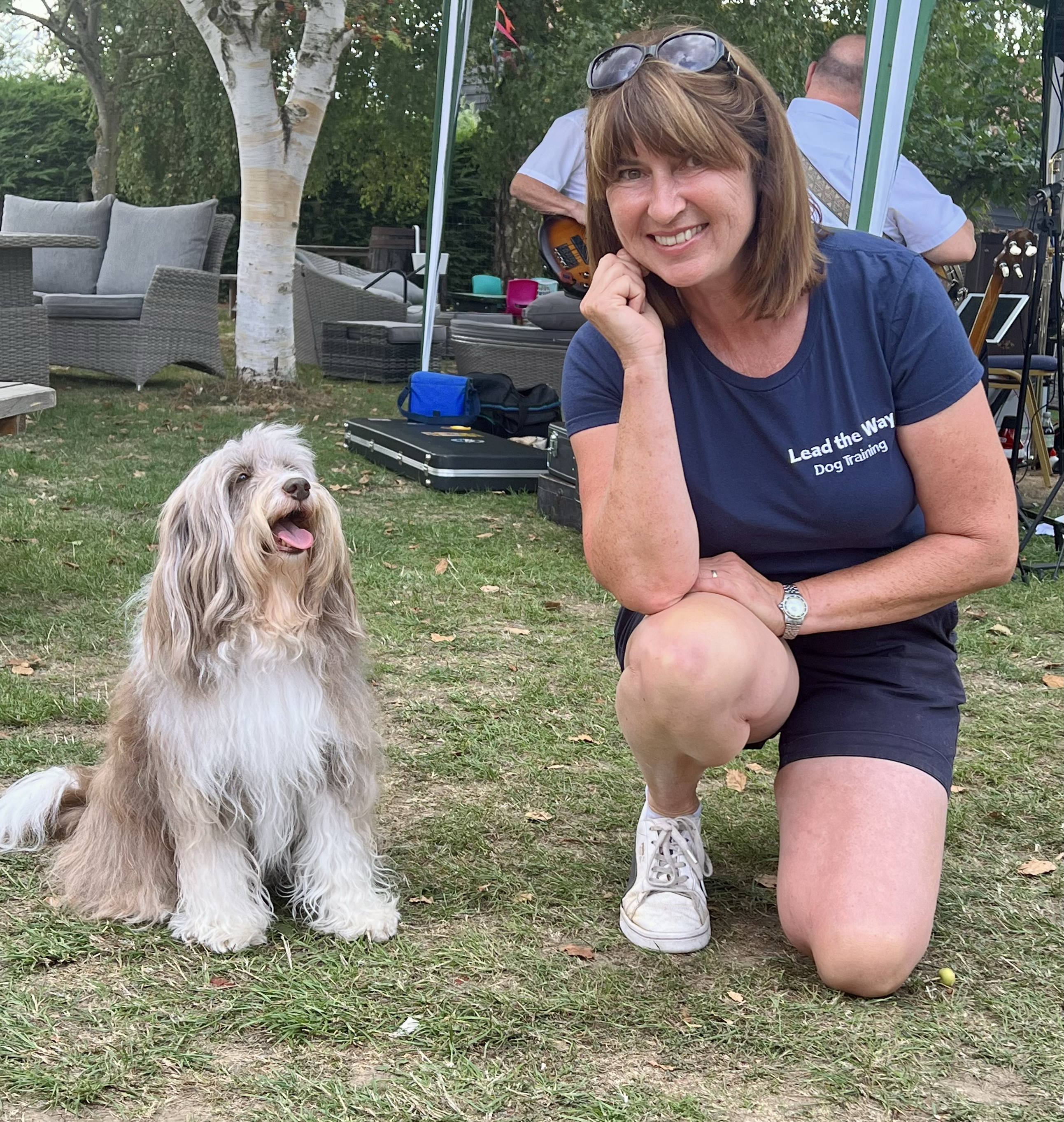
How Consistent Training Created Reliable Recall
Sprocker Spaniels are intelligent, energetic and enthusiastic dogs. Those qualities make them wonderful companions—but they can also make recall training challenging.
When Alison welcomed Poppy into her life, she wanted to ensure her puppy grew into a confident and well-behaved adult dog.
Starting Early
Poppy joined puppy training classes at just fourteen weeks old.
Like many first-time puppy owners, Alison was eager to do the right thing but unsure about some important milestones—particularly allowing Poppy off the lead.
The idea of letting a young, energetic spaniel run free felt daunting.
Building Trust Through Training
Throughout puppy classes, Alison learned practical skills and training techniques that could be applied in everyday situations.
One particularly important milestone was participating in supervised off-lead walks.
These sessions allowed both owner and dog to develop confidence in a controlled environment.
Developing Reliable Recall
Through consistent training, positive reinforcement and regular practice, Poppy learned to return when called.
Today she responds to both verbal recall and whistle cues.
Like many spaniels, wildlife can still occasionally prove tempting, but the foundations built through training mean Alison can enjoy walks without the stress and worry she once felt.
Keeping an Active Mind Busy
As Poppy matured, her training expanded beyond basic obedience.
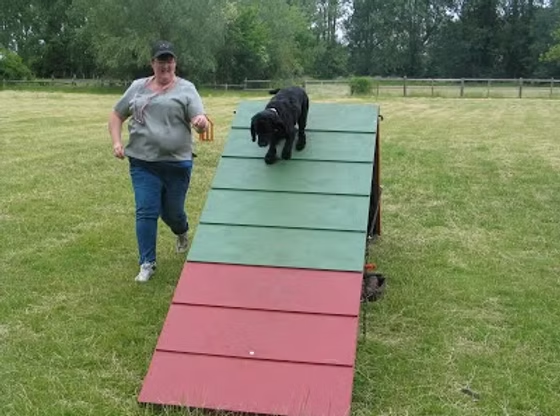
She now attends weekly social agility and obedience classes, providing an outlet for her considerable energy while continuing to strengthen her focus and communication skills.
The Results
Walks are no longer stressful.
Poppy stays close, responds well to recall and enjoys a rich, active lifestyle that meets both her physical and mental needs.
Lessons for Spaniel Owners
High-energy breeds thrive when they are given clear guidance, consistent boundaries and regular opportunities to use their brains.
Training isn't simply about control—it provides enrichment, confidence and a stronger relationship between dog and owner.
Poppy's story demonstrates how early intervention and consistency can create lifelong success.


Comments